
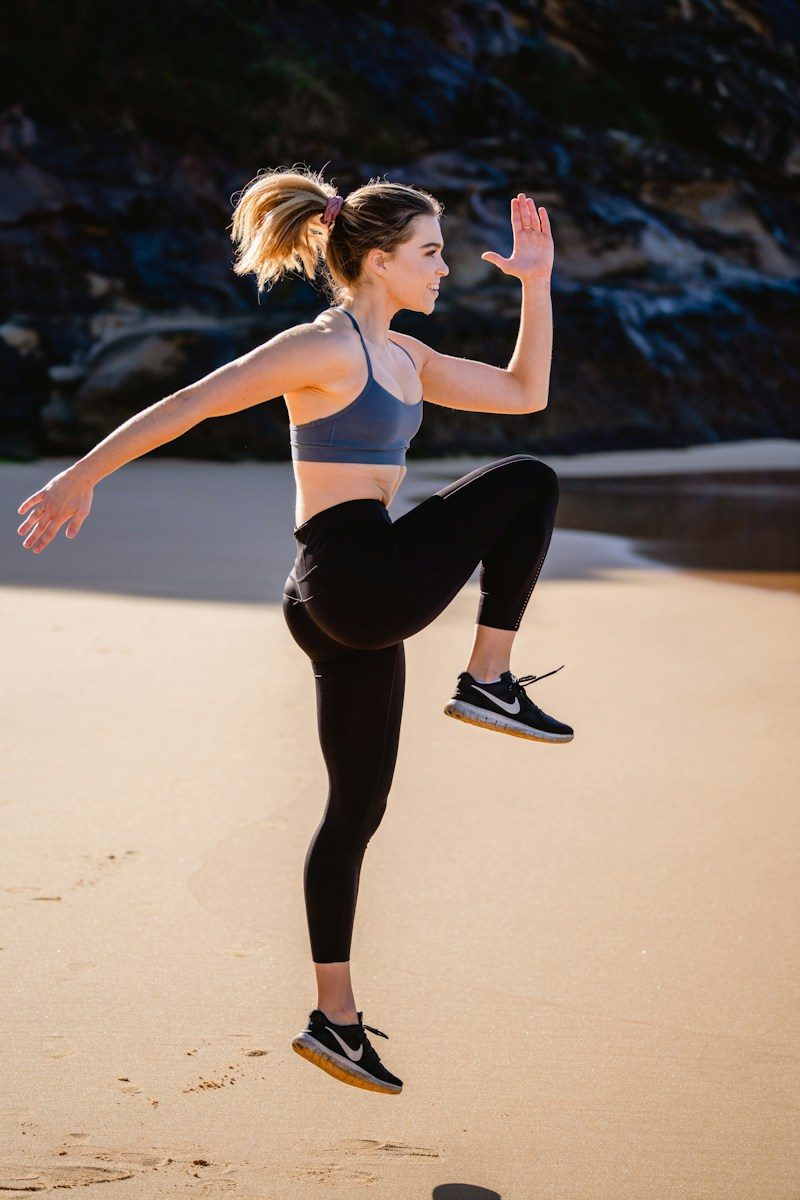
Get Your Heart Pumping Without Jumping
Are you looking for easy cardio workouts without jumping that can help you stay active, burn calories, and improve your fitness without putting unnecessary stress on your joints?
You’re in the right place!
Many people believe that effective cardio workouts must involve jumping jacks, burpees, running, or other high-impact exercises. However, the truth is that you can enjoy an excellent cardiovascular workout without ever leaving the ground.
Low-impact cardio exercises are especially helpful for beginners, people living in apartments, adults returning to exercise, and anyone who prefers joint-friendly workouts.
Whether your goal is to lose weight, improve your endurance, strengthen your heart, or simply become more active, no-jumping cardio workouts offer a practical solution.
The best part? You don’t need expensive gym equipment, a large workout space, or advanced fitness experience.
In this comprehensive guide, you’ll discover 15 easy cardio workouts without jumping, their benefits, proper techniques, and a simple 20-minute workout routine you can follow at home.
Let’s get started!

What Are Cardio Workouts Without Jumping?
Cardio workouts without jumping are cardiovascular exercises designed to increase your heart rate while keeping at least one foot in contact with the ground during standing movements.
These exercises are commonly called low-impact cardio workouts.
Unlike high-impact movements such as jump squats, running jumps, and traditional jumping jacks, low-impact exercises reduce the repeated landing forces experienced by your joints.
Examples include:
-
Marching in place
-
Side steps
-
Standing knee raises
-
Step jacks
-
Walking
-
Low-impact dance movements
Although these exercises may appear easier than traditional cardio workouts, they can still provide meaningful cardiovascular benefits when performed consistently and at an appropriate intensity.
The key is to keep moving, maintain good posture, and gradually increase your workout duration as your fitness improves.
Benefits of Easy Cardio Workouts Without Jumping
Before exploring the exercises, let’s look at why low-impact cardio deserves a place in your fitness routine.
1. Easier on Your Joints
One of the biggest advantages of no-jumping cardio is reduced impact on your knees, ankles, and hips.
This makes these workouts a useful alternative for individuals who find jumping uncomfortable.
However, low-impact doesn’t automatically mean pain-free. Choose movements that feel comfortable and modify or stop exercises that cause pain.
2. Supports Weight Management
Cardio workouts increase your body’s energy expenditure, which can support weight management when combined with balanced nutrition.
You don’t need to perform intense jumping exercises to burn calories.
Consistent walking, marching, dancing, and other low-impact activities can contribute to your overall physical activity goals.
3. Improves Cardiovascular Health
Regular aerobic exercise strengthens your cardiovascular system and helps your body use oxygen more efficiently.
Over time, consistent activity can improve endurance and support healthy blood pressure and heart function.
4. Perfect for Beginners
If you’re new to exercise, high-intensity workouts may feel overwhelming.
Easy cardio workouts without jumping allow you to start slowly and build confidence.
You can begin with just 10 minutes daily and gradually increase your exercise duration.
5. Apartment-Friendly and Quiet
Jumping exercises can create noise that disturbs neighbors, especially in upstairs apartments.
No-jumping workouts are generally quieter and require less space, making them convenient for indoor exercise.
6. No Equipment Required
Most low-impact cardio exercises use only your body weight.
All you need is comfortable clothing, supportive footwear when appropriate, and enough space to move safely.
15 Best Easy Cardio Workouts Without Jumping
Here are 15 effective, beginner-friendly cardio exercises you can perform at home.
Each movement can be modified to suit your current fitness level.
1. Marching in Place
Marching in place is one of the simplest cardio exercises for beginners.
It increases your heart rate gradually while activating your legs and core muscles.
How to do it:
-
Stand tall with your feet hip-width apart.
-
Lift your right knee toward your waist.
-
Lower your foot gently.
-
Lift your left knee.
-
Continue alternating while swinging your arms naturally.
Recommended duration: 1–3 minutes.
Beginner tip: Start with slow marching and gradually increase your pace.
Benefits: Improves coordination, increases circulation, and helps warm up your muscles.
2. Side-to-Side Steps
Side steps are excellent for keeping your body moving without jumping.
This movement engages your legs while gently raising your heart rate.
How to do it:
-
Stand with your knees slightly bent.
-
Step your right foot sideways.
-
Bring your left foot toward your right.
-
Step to the left.
-
Continue moving from side to side.
Swing your arms to increase the intensity.
Recommended duration: 1–2 minutes.
Benefits: Improves lateral movement, coordination, and cardiovascular endurance.
3. Standing Knee Raises
Standing knee raises combine cardio activity with core engagement.
They are particularly useful for people who want an easy home workout without equipment.
How to do it:
-
Stand upright with your feet hip-width apart.
-
Raise your right knee toward your chest.
-
Lower it slowly.
-
Raise your left knee.
-
Continue alternating at a comfortable pace.
Keep your abdominal muscles gently engaged.
Recommended duration: 30–60 seconds.
Beginner tip: Hold a sturdy chair for balance if necessary.
4. Step Jacks
Step jacks are a low-impact alternative to traditional jumping jacks.
They provide similar arm and leg movements without requiring you to jump.
How to do it:
-
Stand with your arms at your sides.
-
Step your right foot outward.
-
Raise both arms overhead.
-
Return your right foot to the starting position.
-
Repeat with your left foot.
Continue alternating sides.
Recommended duration: 45–60 seconds.
Benefits: Engages multiple muscle groups and increases your heart rate.
5. Standing Toe Taps
Standing toe taps are a gentle cardio exercise that can improve coordination and balance.
How to do it:
-
Stand with your feet shoulder-width apart.
-
Extend your right foot forward.
-
Tap your toes lightly on the floor.
-
Return to the starting position.
-
Repeat with your left foot.
Move your arms naturally while alternating.
Recommended duration: 1 minute.
Beginner tip: Keep the movement small until you feel comfortable.
6. Low-Impact High Knees
Traditional high knees often involve running in place. This modified version eliminates jumping.
How to do it:
-
Stand upright.
-
Lift one knee toward hip height or as high as comfortable.
-
Lower your foot with control.
-
Repeat with the opposite knee.
-
Continue alternating at a brisk walking pace.
Pump your arms to increase the challenge.
Recommended duration: 30–45 seconds.
Benefits: Improves stamina, coordination, and lower-body mobility.
7. Standing Hamstring Curls
Standing hamstring curls target the muscles at the back of your thighs while keeping your body moving.
How to do it:
-
Stand with your feet hip-width apart.
-
Bend your right knee and bring your heel toward your buttocks.
-
Lower your foot.
-
Repeat with your left leg.
-
Continue alternating.
You can add gentle arm movements to make the exercise more aerobic.
Recommended duration: 1 minute.
Benefits: Activates your hamstrings and supports lower-body mobility.
8. Low-Impact Skater Steps
Skater steps imitate the side-to-side movement of speed skating without jumping.
How to do it:
-
Stand with your knees slightly bent.
-
Step diagonally to your right.
-
Bring your left foot behind your right leg, tapping the floor.
-
Step diagonally to your left.
-
Repeat the movement.
Keep your steps controlled and avoid twisting your knees.
Recommended duration: 45–60 seconds.
Benefits: Challenges balance, coordination, and lateral movement.
9. Standing Boxing Punches
Shadowboxing is an enjoyable way to increase your heart rate without jumping.
It also activates your shoulders, arms, and core.
How to do it:
-
Stand with your feet shoulder-width apart.
-
Bend your knees slightly.
-
Hold your hands near your chin.
-
Extend one arm forward in a controlled punch.
-
Return your hand and alternate arms.
Add gentle side steps to increase intensity.
Recommended duration: 1–2 minutes.
Beginner tip: Avoid locking your elbows or twisting your torso aggressively.
10. Walking in Place With Arm Raises
This exercise combines marching with upper-body movements for a more engaging cardio workout.
How to do it:
-
Begin marching in place.
-
Raise both arms toward shoulder height or overhead.
-
Lower your arms while continuing to march.
-
Repeat at a steady pace.
Recommended duration: 1–2 minutes.
Benefits: Engages the upper and lower body while improving endurance.
11. Standing Side Leg Raises
Standing side leg raises activate your hip muscles and can become part of a gentle cardio circuit.
How to do it:
-
Stand tall beside a sturdy chair.
-
Shift your weight onto your left leg.
-
Lift your right leg sideways without leaning.
-
Lower your leg.
-
Repeat on the opposite side.
Alternate sides continuously.
Recommended duration: 45–60 seconds.
Benefits: Strengthens hip muscles and improves balance.
12. Step Touch With Arm Swings
Step touch is a popular movement in beginner aerobics and low-impact dance workouts.
How to do it:
-
Step your right foot sideways.
-
Bring your left foot beside it.
-
Step your left foot sideways.
-
Bring your right foot beside it.
-
Swing your arms gently as you move.
Recommended duration: 1–2 minutes.
Benefits: Builds rhythm, coordination, and cardiovascular endurance.
13. Alternating Backward Steps
Backward steps add variety to your cardio routine while engaging different lower-body muscles.
How to do it:
-
Stand with your feet hip-width apart.
-
Step your right foot backward.
-
Return to the starting position.
-
Step your left foot backward.
-
Continue alternating.
Keep your steps short and controlled.
Recommended duration: 1 minute.
Beginner tip: Use a stable support if your balance is uncertain.
14. Low-Impact Dance Cardio
Dancing is one of the most enjoyable ways to perform cardio without jumping.
You can combine simple movements such as:
-
Side steps
-
Marching
-
Gentle hip movements
-
Arm swings
-
Step touches
Play your favorite upbeat music and move continuously at a comfortable intensity.
Recommended duration: 5–15 minutes.
Benefits: Supports cardiovascular fitness, coordination, and mood.
15. Brisk Walking
Brisk walking is one of the most accessible and effective low-impact cardio activities.
You can walk outdoors, on a treadmill, or around your home.
How to do it:
-
Stand upright with relaxed shoulders.
-
Begin walking at a comfortable pace.
-
Gradually increase your speed.
-
Swing your arms naturally.
-
Maintain a pace that makes you breathe faster while still allowing you to talk.
Recommended duration: 10–30 minutes.
Benefits: Improves cardiovascular endurance, supports weight management, and encourages regular physical activity.
20-Minute Easy Cardio Workout Without Jumping
Now that you know the best exercises, it’s time to combine them into a complete workout.
This beginner-friendly routine requires no equipment and can be performed in a small space.
Your 20-Minute No-Jumping Cardio Routine
TOTAL WORKOUT
20 minutes
3 min
Warm-up
14 min
Main workout
3 min
Cool-down
Main workout: 2 rounds
Perform each exercise for 45 seconds, followed by 15 seconds of rest. Complete all seven exercises, then repeat.
1. Marching in place
45 sec
2. Step jacks
45 sec
3. Standing knee raises
45 sec
4. Side-to-side steps
45 sec
5. Standing boxing punches
45 sec
6. Standing hamstring curls
45 sec
7. Step touch with arm swings
45 sec
Warm-Up: 3 Minutes
Before beginning your workout, prepare your muscles with gentle movements.
Perform one minute each of slow marching, shoulder rolls with easy steps, and side-to-side walking.
Warming up gradually increases your heart rate and prepares your body for more demanding activity.
Main Workout: 14 Minutes
Follow the seven exercises shown above.
After completing the first round, repeat the sequence once more.
If 45 seconds feels too challenging, begin with 30 seconds of exercise and 30 seconds of rest.
You can also take additional breaks whenever needed.
Cool-Down: 3 Minutes
Finish your workout by gradually slowing your movements.
Spend approximately one minute walking slowly in place, one minute gently stretching your calves and thighs, and one minute practicing relaxed breathing and comfortable shoulder movements.
Avoid forcing any stretches.
7-Day Low-Impact Cardio Workout Plan for Beginners
Consistency is more important than intensity when you’re beginning a new fitness routine.
The following weekly schedule can help you establish a sustainable exercise habit.
| Day | Workout | Duration |
|---|---|---|
| Monday | Beginner no-jumping cardio | 15 minutes |
| Tuesday | Brisk walking | 20 minutes |
| Wednesday | Gentle cardio and mobility | 15 minutes |
| Thursday | Low-impact dance cardio | 20 minutes |
| Friday | No-jumping cardio circuit | 20 minutes |
| Saturday | Comfortable walking | 25 minutes |
| Sunday | Rest or gentle stretching | Optional |
This schedule is a starting point, not a requirement.
If you’re completely new to exercise, you may need shorter sessions or additional rest days.
As your endurance improves, gradually work toward established physical activity recommendations.
For most healthy adults, the general goal is at least 150 minutes of moderate-intensity aerobic activity each week, along with muscle-strengthening activities on two or more days.
You can build toward these targets over time.
Can You Lose Weight With Cardio Workouts Without Jumping?
Yes, low-impact cardio can contribute to weight loss.
However, weight loss depends on several factors, including your overall calorie intake, physical activity, sleep, and individual health circumstances.
No-jumping cardio exercises increase energy expenditure and can help you maintain a more active lifestyle.
For example, regular brisk walking, marching, and low-impact dance workouts can contribute to the calorie deficit needed for weight loss.
The number of calories burned varies according to body weight, exercise duration, movement intensity, and individual metabolism.
Rather than focusing only on calories, aim to build a consistent routine you enjoy.
For sustainable results, combine cardio exercise with nutritious meals, adequate sleep, and strength training.
Remember that improvements in stamina, mobility, and heart health are valuable benefits even when the number on the scale doesn’t change.
How to Make No-Jumping Cardio Workouts More Effective
You can increase the challenge of your low-impact cardio routine without adding jumping movements.
Increase Your Walking Speed
Move a little faster while maintaining good posture and control.
A brisker pace generally increases cardiovascular demand.
Add Arm Movements
Swinging your arms, performing controlled punches, or raising your arms during steps can involve more muscle groups.
Extend Your Workout Duration
If you’re comfortable exercising for 10 minutes, gradually increase to 15 or 20 minutes.
Longer sessions can help build aerobic endurance.
Reduce Rest Periods
As your fitness improves, you may shorten the breaks between exercises.
For example, progress from 30 seconds of movement and 30 seconds of rest to 45 seconds of movement and 15 seconds of rest.
Monitor Your Exercise Intensity
Use the talk test to determine whether you’re exercising at an appropriate intensity.
During moderate-intensity cardio, you should generally be able to talk but not sing comfortably.
If you cannot speak more than a few words without pausing for breath, slow down.
Common Mistakes to Avoid During Low-Impact Cardio
Even beginner-friendly exercises require proper technique and pacing.
Moving too quickly: Starting at an intense pace can cause early fatigue. Begin slowly and increase your speed gradually.
Ignoring posture: Keep your shoulders relaxed, chest comfortably lifted, and movements controlled. Avoid unnecessary twisting or leaning.
Skipping warm-ups: Beginning abruptly can make exercise feel harder. Prepare your body with several minutes of easy movement.
Exercising through pain: Muscle effort and mild fatigue are different from sharp or worsening pain. Stop any movement that causes pain.
Expecting immediate results: Cardiovascular fitness develops through consistent activity. Focus on gradual progress rather than rapid transformations.
Who Should Try Easy Cardio Workouts Without Jumping?
Low-impact cardio is suitable for many fitness levels and lifestyles.
Beginners
People starting their fitness journey can use gentle cardio to build stamina and confidence.
Adults Over 40 or 50
Low-impact workouts can provide a manageable way to maintain physical activity as exercise preferences and abilities change with age.
People Living in Apartments
Quiet movements such as marching, step touches, and shadowboxing can help reduce noise compared with jumping exercises.
People Returning After a Break
No-jumping cardio can provide a gradual transition back into regular physical activity.
People Who Prefer Joint-Friendly Exercise
Individuals who find jumping uncomfortable may prefer low-impact alternatives.
However, anyone with significant joint pain, a recent injury, cardiovascular symptoms, or medical exercise restrictions should seek appropriate professional guidance before starting or increasing activity.
Frequently Asked Questions About Easy Cardio Workouts Without Jumping
1. Are cardio workouts without jumping effective?
Yes. No-jumping cardio exercises can improve cardiovascular endurance, increase physical activity, and support weight management when performed regularly at an appropriate intensity.
2. Can I burn belly fat with low-impact cardio?
Low-impact cardio can contribute to overall fat loss when combined with suitable nutrition and consistent activity. However, you cannot reliably choose where your body loses fat. Exercises that target the abdominal muscles do not specifically remove belly fat.
3. How long should beginners do cardio without jumping?
Beginners can start with 10–15 minutes per session, depending on their abilities. Gradually increase your duration as your endurance improves.
4. Can I do no-jumping cardio every day?
Many people can perform gentle cardio daily if they feel comfortable and recover well. However, harder sessions may require additional recovery, and beginners should increase their workload gradually.
5. What is the easiest cardio exercise without jumping?
Marching in place and comfortable walking are among the easiest options. Both require minimal coordination and can be adjusted to different fitness levels.
6. Do I need equipment for low-impact cardio?
No. Most no-jumping cardio exercises can be performed using only your body weight. A sturdy chair may be helpful for balance during certain movements.
7. Is low-impact cardio better than running?
Neither is universally better. Running can provide a more vigorous cardiovascular workout, while low-impact cardio may be more comfortable, accessible, and sustainable for certain individuals. The best exercise is one that suits your needs and that you can perform consistently.
8. Can seniors do cardio without jumping?
Many older adults can benefit from appropriate low-impact exercise. Movements should be selected according to individual mobility, balance, and health needs. Seated or supported alternatives may be more suitable for some people.
Final Thoughts: Start Your No-Jumping Cardio Journey Today
Easy cardio workouts without jumping prove that you don’t need intense, high-impact exercises to improve your fitness.
Simple movements such as marching in place, step jacks, standing knee raises, brisk walking, and low-impact dancing can help you become more active without the repeated landing forces associated with jumping.
These workouts are convenient, beginner-friendly, and adaptable to different fitness levels.
Whether you’re exercising in a small apartment, returning to fitness after a long break, or simply looking for a gentler way to stay active, no-jumping cardio can become a valuable part of your weekly routine.
Start with just 10–15 minutes, focus on proper technique, and gradually increase your activity as your fitness improves.
Most importantly, choose exercises you enjoy so that staying active becomes a sustainable habit.
You don’t have to jump to make progress. You just have to keep moving!