
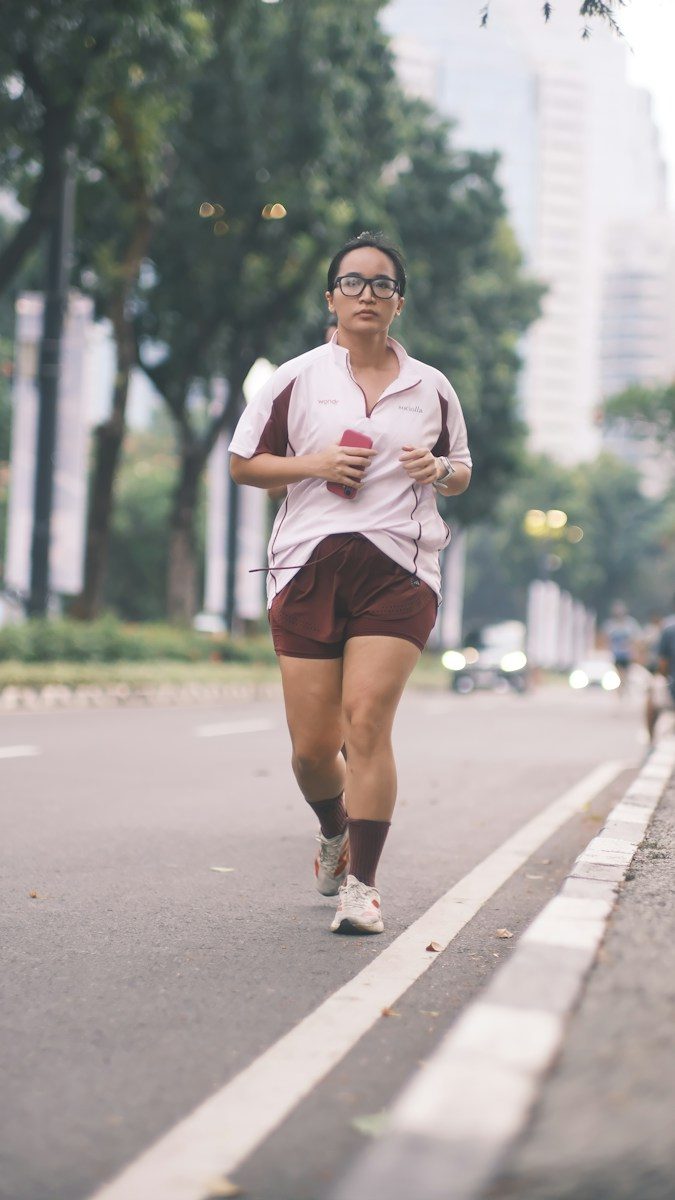
Does Walking 10 Minutes After Every Meal Help You Lose Weight?
Losing weight doesn’t always require intense workouts, long hours at the gym, or complicated fitness routines. Sometimes, small daily habits can make a meaningful difference, and walking for just 10 minutes after every meal is one habit worth considering. But does walking 10 minutes after every meal help you lose weight, or is it simply another popular health trend? The answer lies in how this simple activity affects your metabolism, digestion, blood sugar levels, and overall calorie expenditure. While a short walk after eating may not directly melt away excess fat, it can support your weight-loss efforts when combined with a balanced diet and a healthy lifestyle. In this article, we’ll explore the science behind post-meal walking, its potential weight-loss benefits, how many calories you can burn, and whether walking after breakfast, lunch, and dinner can help you achieve your fitness goals.
In this comprehensive guide, you will discover how walking 10 minutes after every meal affects weight loss, what scientific research suggests, how many calories you might burn, and how to create a realistic walking routine that supports long-term results.
1. Does Walking 10 Minutes After Every Meal Help You Lose Weight?
Walking for 10 minutes after breakfast, lunch, and dinner gives you approximately 30 minutes of daily physical activity.
Although each walk is relatively short, the benefits can accumulate throughout the week.
For example:
-
10 minutes after breakfast
-
10 minutes after lunch
-
10 minutes after dinner
That adds up to 30 minutes daily, 210 minutes weekly, and approximately 900 minutes over a 30-day period.
These short sessions can increase your total daily energy expenditure and help you build a consistent exercise habit.
However, walking does not automatically guarantee weight loss.
Your body generally loses weight when you consistently use more energy than you consume. This is commonly called a calorie deficit.
Walking can help create that deficit by increasing the number of calories you burn.
The exact results depend on several factors, including your body weight, walking speed, food intake, activity level, metabolism, and consistency.
The bottom line: Walking 10 minutes after every meal is a practical weight-management strategy, but its effectiveness depends on your overall lifestyle.
2. What Happens to Your Body When You Walk After Eating?
Your body begins digesting food shortly after you finish a meal.
Carbohydrates are broken down into sugars, including glucose, which enters your bloodstream.
Your pancreas releases insulin to help move glucose from your blood into your cells, where it can be used for energy or stored.
When you walk after eating, your working muscles require additional energy.
Muscle contractions help your body take up glucose from the bloodstream, which can reduce the rise in blood sugar following a meal.
This process is particularly interesting because it means even relatively short periods of walking can provide measurable metabolic benefits.
Walking helps control post-meal blood sugar
Research suggests that walking shortly after eating can reduce post-meal glucose increases compared with remaining seated.
A small study published in Diabetologia in 2016 found that walking for 15 minutes after each main meal improved overall glycemic control in people with type 2 diabetes compared with taking one 45-minute walk at another time of day.
Other research has found benefits from shorter walking sessions, although results vary according to the participants and study design.
These findings do not mean that walking after meals automatically produces weight loss. Instead, they demonstrate that post-meal movement can improve an important aspect of metabolic health.
Walking increases daily energy expenditure
Every time you walk, your body uses energy to move your muscles, maintain balance, and support breathing and circulation.
A short walk may burn only a modest number of calories, but repeating it three times daily can make a meaningful contribution to your activity level.
Walking breaks up prolonged sitting
Long periods of uninterrupted sitting are common among office workers, students, and people who work from home.
Taking a walk after meals gives you a natural reason to interrupt sedentary time.
This can support cardiovascular and metabolic health, even when weight loss is not immediately noticeable.
3. How Many Calories Does Walking 10 Minutes After Every Meal Burn?
One of the most common questions about post-meal walking is how many calories you can realistically burn.
The answer depends on your weight, walking speed, terrain, and individual physiology.
Someone who weighs more generally expends more energy walking at the same speed than someone who weighs less.
The following table provides approximate calorie estimates for walking on level ground at around 3 miles per hour.
| Body weight | 10-minute walk | 30 minutes daily |
|---|---|---|
| 120 pounds | 30 calories | 90 calories |
| 150 pounds | 38 calories | 114 calories |
| 180 pounds | 45 calories | 135 calories |
| 200 pounds | 50 calories | 150 calories |
| 250 pounds | 63 calories | 189 calories |
Estimates are rounded and based on approximately 3.5 METs for moderate walking. Actual calorie expenditure varies, and these figures represent total energy used during walking rather than calories burned above resting levels.
For example, a person weighing 180 pounds might expend approximately 135 calories during three 10-minute walks.
Over 30 days, that amounts to roughly 4,050 calories of total walking energy expenditure.
However, you should not assume that this automatically translates into a specific amount of weight loss.
Some of those calories would have been burned at rest anyway. Appetite, food consumption, and changes in other activities also influence your overall energy balance.
Nevertheless, these numbers illustrate why consistent walking can contribute to weight management.
4. Can Walking 10 Minutes After Every Meal Help Reduce Belly Fat?
Belly fat is a common concern among people trying to lose weight.
Many individuals want to know whether walking after meals specifically targets fat around the stomach.
The important thing to understand is that walking cannot selectively burn belly fat.
Your body determines where it loses fat based on genetics, hormones, age, sex, and other physiological factors.
However, walking can contribute to overall fat loss when combined with a calorie deficit.
As total body fat decreases, abdominal fat may also decrease.
How walking supports abdominal fat reduction
Regular walking can support weight management through several mechanisms.
First, it increases physical activity and calorie expenditure.
Second, it may improve insulin sensitivity, helping your body manage blood glucose more efficiently.
Third, walking can support cardiovascular fitness and make it easier to sustain a more active lifestyle.
Finally, it may help reduce stress and improve sleep for some people, both of which can influence eating behaviors and weight management.
Research on aerobic exercise suggests that consistent physical activity can help reduce visceral fat, the fat stored deep within the abdominal cavity.
However, most studies showing meaningful reductions involve regular exercise programs over several weeks or months, rather than isolated 10-minute walks.
If your goal is to lose belly fat, treat post-meal walking as one component of a broader routine that includes balanced nutrition, sufficient sleep, and resistance training.
5. Is Walking After Meals Better Than Walking Before Meals?
Both walking before meals and walking after meals provide health benefits.
The better choice depends on your personal goals.
Walking before meals can help you increase your daily activity, improve fitness, and maintain a consistent exercise schedule.
Walking after meals offers those benefits while also providing an opportunity to reduce post-meal blood glucose increases.
| Benefit | Before meals | After meals |
|---|---|---|
| Burns calories | Yes | Yes |
| Supports cardiovascular fitness | Yes | Yes |
| Helps with weight management | Yes | Yes |
| Directly reduces post-meal glucose spikes | Less targeted | Often beneficial |
| Can fit into a daily routine | Yes | Yes |
For someone primarily interested in weight loss, total walking time, intensity, consistency, and calorie balance generally matter more than whether the walk happens before or after eating.
For someone focused on post-meal blood sugar control, walking after eating may offer an additional advantage.
The most effective routine is ultimately the one you can maintain.
6. How Soon After Eating Should You Walk?
You do not necessarily need to wait 30 minutes or an hour before walking.
For many healthy adults, gentle walking shortly after finishing a meal is comfortable and practical.
Starting within approximately 10–30 minutes after eating is a reasonable approach for supporting post-meal glucose management.
Some studies suggest that beginning activity soon after eating can be particularly useful because blood glucose often rises during the period following a meal.
However, the ideal timing varies depending on meal size, digestion, medications, and personal comfort.
After breakfast
A 10-minute morning walk can help you start the day with movement.
If you work from home, consider walking around your neighborhood before opening your laptop.
After lunch
A short lunchtime walk is especially useful for people with desk jobs.
Instead of remaining seated immediately after eating, take a brief walk outdoors or around your workplace.
After dinner
An evening walk can be a relaxing way to finish the day.
It may help reduce post-meal glucose increases and provide an alternative to sitting in front of the television.
If you experience reflux, nausea, abdominal discomfort, or dizziness, adjust the timing and intensity.
Avoid vigorous exercise immediately after a large meal if it causes discomfort.
7. Walking 10 Minutes After Every Meal vs. Walking 30 Minutes at Once
You might wonder whether three 10-minute walks are as effective as one continuous 30-minute walk.
For many general fitness and weight-management goals, both approaches can be beneficial.
If the total walking duration and intensity are similar, overall energy expenditure may also be similar.
However, spreading walking throughout the day provides additional opportunities to interrupt sitting.
It also allows you to move after several meals rather than only once.
Daily walking time comparison
Three short walks
After breakfast, lunch, and dinner
One longer walk
One continuous daily session
Both approaches total 30 minutes of walking per day.
For busy beginners, three shorter sessions may feel less intimidating than committing to a single longer workout.
They can also fit naturally around an existing meal schedule.
One longer walk may be preferable for people who enjoy continuous exercise or want to gradually build endurance.
You can even combine both approaches throughout the week.
The key is choosing a routine that encourages regular movement.
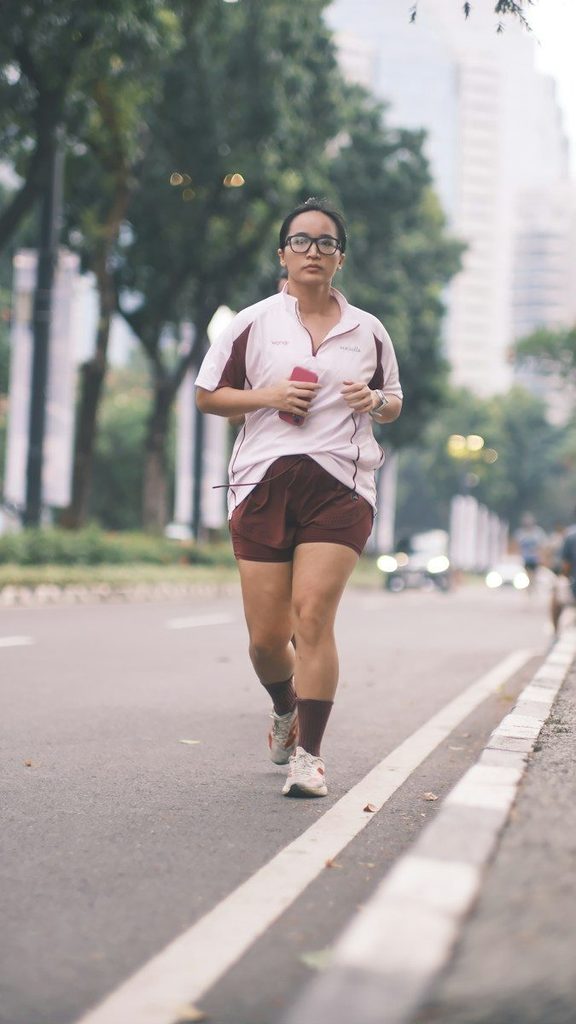
8. How Much Weight Can You Lose Walking 10 Minutes After Every Meal for 30 Days?
There is no universal amount of weight that everyone will lose after walking for 10 minutes following each meal.
Your results depend on how much additional energy the walking uses, your calorie intake, your current weight, and other lifestyle factors.
For example, consider someone who begins walking for 30 minutes daily after previously being mostly inactive.
That person may burn additional calories through walking.
If their eating habits remain consistent, the extra activity could contribute to gradual weight loss.
However, the actual change on the scale may be small, especially during the first month.
Weight also fluctuates naturally because of hydration, sodium intake, digestion, and other factors.
This means you should avoid judging progress based on a single weigh-in.
What results might you notice?
During the first week, you may begin feeling more comfortable with daily walking.
After two weeks, the routine may become easier and your walking endurance may improve.
By the third or fourth week, you may notice improvements in daily energy, walking pace, or consistency.
Some people may also see modest weight changes, particularly when they combine walking with appropriate dietary adjustments.
Others may experience improved fitness or blood glucose responses without significant weight loss.
These are possibilities, not guaranteed milestones.
Remember that long-term consistency matters more than dramatic short-term results.
9. A Simple 7-Day Walking After Meals Plan for Beginners
If you are new to regular exercise, you do not have to begin with three 10-minute walks immediately.
Gradually increasing your walking time can help your body adapt and reduce the likelihood of discomfort.
Here is a beginner-friendly seven-day plan.
| Day | After breakfast | After lunch | After dinner |
|---|---|---|---|
| Monday | 5 min | 5 min | 5 min |
| Tuesday | 5 min | 5 min | 10 min |
| Wednesday | 5 min | 10 min | 10 min |
| Thursday | 10 min | 10 min | 10 min |
| Friday | 10 min | 10 min | 10 min |
| Saturday | 10 min | 10 min | 10 min |
| Sunday | 10 min | 10 min | 10 min |
This schedule gradually builds toward 30 minutes of daily walking.
You can repeat any day if you need more time to adjust.
If you already walk regularly, you may be comfortable starting with the full routine.
Tips for following the plan
Choose a walking pace that allows you to talk comfortably.
Wear supportive shoes and select safe, accessible walking routes.
If outdoor walking is inconvenient, try walking indoors, through a hallway, or around your home.
During hot weather, consider an indoor walking route or a cooler time of day.
Keep water available, especially if you are exercising in warm conditions.
If you have significant mobility limitations, heart disease, or another medical condition affecting exercise safety, ask your healthcare professional about an appropriate starting plan.
10. What Is the Best Walking Speed for Weight Loss After Meals?
You do not need to walk extremely fast to benefit from post-meal movement.
For most beginners, a comfortable to moderate pace is a reasonable starting point.
A moderate walking pace is often around 2.5–3.5 miles per hour, although the appropriate speed varies based on fitness and mobility.
The talk test is a simple way to estimate intensity.
During moderate-intensity walking, you should generally be able to speak in complete sentences but not sing comfortably.
After a large meal, you may prefer a gentler pace.
As your fitness improves, you can gradually increase your speed if it feels comfortable.
Faster walking typically burns more calories per minute than slower walking, but intensity is not the only factor that matters.
Walking consistently at a manageable pace is more beneficial than choosing an overly demanding speed that makes you abandon the routine.
For beginners, comfort and consistency should come first.
11. How to Make Walking After Meals More Effective for Weight Loss
Walking alone may not produce substantial weight loss if your calorie intake remains higher than your energy needs.
To improve your chances of success, combine your walking routine with other sustainable habits.
Eat balanced meals
Include vegetables, fruits, whole grains, lean proteins, and healthy fats in your diet.
These foods provide important nutrients and can help you feel satisfied.
Pay attention to portions
Even nutritious foods contain calories.
Learning appropriate portion sizes can help you manage energy intake without relying on extreme restrictions.
Include protein in your meals
Protein supports muscle maintenance and can contribute to fullness.
Examples include chicken, fish, eggs, beans, lentils, tofu, and Greek yogurt.
Drink water regularly
Staying hydrated supports normal physical function and helps you remain comfortable during activity.
Water can also replace sugary beverages that contribute extra calories.
Add strength training
Resistance exercises help maintain or build muscle during weight loss.
Try beginner-friendly movements such as bodyweight squats, wall push-ups, resistance-band rows, and modified lunges.
Adults should generally aim for muscle-strengthening activities on at least two days per week, consistent with U.S. physical activity guidelines.
Prioritize sleep
Insufficient sleep can affect hunger, appetite regulation, and eating behaviors.
Most adults should aim for at least seven hours of sleep each night.
Combining these habits with post-meal walking creates a more comprehensive approach to weight management.
12. Does Walking After Dinner Help You Lose Weight While Sleeping?
Walking after dinner can support your overall weight-loss efforts, but it does not cause your body to burn unusually large amounts of fat while you sleep.
Your body continues using energy throughout the night to support breathing, circulation, temperature regulation, and other essential functions.
However, the idea that an evening walk automatically accelerates overnight fat burning is misleading.
The main benefits of walking after dinner are more straightforward.
It increases your daily physical activity, uses additional energy, and may improve your post-meal blood glucose response.
For some people, a relaxing evening walk may also support stress management and better sleep.
These benefits can indirectly support healthy weight management.
If you are wondering whether walking after dinner is better than exercising in the morning, remember that both can be useful.
Choose the time that fits your schedule and helps you remain consistent.
13. Common Mistakes That Can Reduce Your Walking Results
Although walking after meals is simple, certain habits may limit its effectiveness.
Mistake 1: Expecting rapid weight loss
A 10-minute walk is not a quick fix.
Meaningful changes in body weight often require sustained habits over weeks or months.
Mistake 2: Eating extra calories as a reward
Walking burns energy, but a high-calorie snack or sugary beverage can easily offset the additional calories expended.
You do not need to avoid treats entirely, but overall calorie balance matters.
Mistake 3: Walking too intensely after large meals
Fast walking or vigorous exercise immediately after a heavy meal may cause discomfort.
Begin gently and adjust according to how you feel.
Mistake 4: Being inconsistent
Walking occasionally is beneficial, but regular activity is more likely to produce measurable improvements in fitness.
Mistake 5: Ignoring other lifestyle factors
Weight management involves nutrition, physical activity, sleep, stress, and individual health circumstances.
Walking works best as part of a balanced routine.
Mistake 6: Focusing only on the scale
Body weight does not capture every health benefit.
Improved stamina, better walking endurance, and improved blood sugar responses can be meaningful signs of progress.
14. Who Can Benefit Most From Walking 10 Minutes After Every Meal?
Post-meal walking is suitable for many adults because it is accessible and requires little equipment.
It may be particularly useful for people who spend much of their day sitting.
Office workers can walk during lunch breaks or after dinner.
People who work from home can schedule short walking breaks between tasks.
Beginners who feel intimidated by traditional workouts may find 10-minute sessions easier to manage.
Older adults who can walk safely may also benefit from regular gentle movement, although balance, mobility, and fall risk should be considered.
People with type 2 diabetes may experience improved post-meal glucose control, but they should consider medication-related risks.
For example, individuals using insulin or certain diabetes medications may be at risk of low blood sugar during or after exercise.
Anyone with diabetes who is starting a new exercise routine should follow individualized medical guidance, particularly if they use glucose-lowering medication.
People with significant digestive symptoms, recent surgery, or cardiovascular limitations may also need an adapted routine.
The goal is to make movement safe, comfortable, and sustainable.
15. Can You Walk Indoors After Every Meal and Still Lose Weight?
Absolutely.
You do not have to walk outdoors to increase your daily activity.
Indoor walking can be useful when the weather is unpleasant, your neighborhood lacks safe walking routes, or you have limited time.
You can walk through your living room, along a hallway, or around an indoor shopping center.
A treadmill is another option, but it is not necessary.
You may also follow a simple indoor walking video designed for beginners.
The most important factors are your total movement, exercise intensity, and consistency.
Walking indoors may not feel exactly the same as walking outdoors because terrain, speed, and environmental conditions differ.
Nevertheless, it can still contribute to calorie expenditure and cardiovascular health.
If you work from home, try setting a reminder after each main meal.
Even walking around your house for 10 minutes can help break up sedentary time.
16. How to Track Your Progress Without Becoming Obsessed With Weight
Tracking your walking habits can help you stay motivated.
However, focusing exclusively on daily scale changes can become discouraging.
A better approach is to monitor several indicators of progress.
You might record how many walks you complete each day, your total weekly walking minutes, and whether your walking pace becomes more comfortable.
You can also observe changes in stamina, energy, and how consistently you maintain your routine.
If weight loss is your goal, consider weighing yourself under similar conditions and reviewing trends over several weeks rather than reacting to individual measurements.
Remember that body weight can fluctuate because of water retention, food intake, and normal physiological changes.
A fitness tracker or smartphone step counter can be helpful, but it is optional.
You can make progress without buying any technology.
A realistic 30-day walking challenge
Try completing three 10-minute walks daily for 30 days.
Your goal is not to achieve a dramatic weight-loss transformation.
Instead, focus on building a habit you can maintain beyond the first month.
At the end of the challenge, review your consistency, physical comfort, and any changes in your fitness.
If the routine feels manageable, consider continuing it or gradually increasing your walking duration.
17. Frequently Asked Questions About Walking 10 Minutes After Every Meal
Is walking 10 minutes after every meal enough to lose weight?
Walking 10 minutes after every meal can contribute to weight loss by increasing daily calorie expenditure. However, meaningful weight loss generally requires a sustained calorie deficit. Walking is most effective when combined with balanced eating habits and other healthy lifestyle behaviors.
How many calories do three 10-minute walks burn?
Three 10-minute walks may expend approximately 90–190 calories in total for adults weighing around 120–250 pounds when walking at a moderate pace on level ground. Actual energy expenditure depends on weight, speed, terrain, and other factors.
Is it better to walk immediately after eating or wait 30 minutes?
Gentle walking soon after eating may help reduce post-meal blood sugar increases. Many people can begin within 10–30 minutes, but comfort varies. If walking immediately after a large meal causes discomfort, wait until you feel ready.
Can walking 10 minutes after dinner reduce belly fat?
Walking after dinner can contribute to overall fat loss when combined with a calorie deficit, but it cannot specifically target belly fat. Reducing abdominal fat generally requires consistent lifestyle changes over time.
Is walking 30 minutes a day enough exercise?
Thirty minutes of moderate-intensity walking on most days can help adults meet the recommended minimum of 150 minutes of moderate aerobic activity per week. Additional physical activity and strength training may provide further health benefits.
Can I lose weight by walking after meals without dieting?
It is possible to lose weight without following a formal diet if walking increases your energy expenditure enough to create a calorie deficit. However, dietary intake strongly influences weight-loss results, and walking alone may not produce substantial changes.
Does walking after eating improve digestion?
Some people find that gentle walking after meals helps them feel more comfortable and may support gastrointestinal movement. However, responses vary, and walking is not a treatment for persistent digestive problems.
How long should I continue walking after meals to see results?
Some metabolic benefits, such as improvements in post-meal glucose responses, may occur after individual walking sessions. Changes in body weight and fitness generally take longer and depend on consistency, nutrition, and individual factors.
Is walking after every meal safe for beginners?
For most healthy adults, gentle walking after meals is a low-risk activity. Beginners should start with a comfortable duration and gradually increase their walking time. People with significant medical conditions or exercise restrictions should seek individualized guidance.
Can walking after meals replace gym workouts?
Walking can be an excellent form of aerobic activity, especially for beginners. However, a well-rounded fitness routine should also include muscle-strengthening exercises. Gym membership is not required because strength exercises can be performed at home.
18. What Does Scientific Research Say About Walking After Meals?
Scientific evidence supports post-meal walking as a useful strategy for improving blood glucose responses.
However, it is important to distinguish evidence about blood sugar management from evidence about weight loss.
A 2016 randomized crossover study involving people with type 2 diabetes compared three 15-minute post-meal walks with one 45-minute daily walk.
The researchers found that walking after meals improved overall glycemic control, with a particularly notable benefit after the evening meal.
A 2022 systematic review and meta-analysis published in Sports Medicine also examined the effects of interrupting prolonged sitting with standing or light walking.
The analysis found that light walking breaks could improve postprandial glucose and insulin responses compared with uninterrupted sitting.
These findings provide a strong reason to consider movement after meals.
Nevertheless, they do not establish that a specific 10-minute walking routine will produce a predictable amount of weight loss.
Weight loss depends on many additional factors, including energy intake and total daily activity.
For broader health guidance, the U.S. Department of Health and Human Services recommends at least 150–300 minutes of moderate-intensity aerobic activity per week for adults, along with muscle-strengthening activity on two or more days.
Three 10-minute walks each day can contribute meaningfully toward those aerobic activity recommendations, provided the pace reaches moderate intensity.
Research and authoritative sources
For readers who want to explore the science further:
These sources support the health benefits of regular physical activity and post-meal movement, while reinforcing the importance of realistic expectations.
Conclusion: Does Walking 10 Minutes After Every Meal Help You Lose Weight?
So, does walking 10 minutes after every meal help you lose weight?
Yes, walking after meals can support weight loss by increasing daily physical activity and energy expenditure. It can also improve post-meal blood sugar responses and reduce the amount of time you spend sitting.
Walking for just 10 minutes after breakfast, lunch, and dinner adds up to 30 minutes of daily exercise and 210 minutes each week.
For busy adults, this can be a manageable way to develop healthier habits without committing to long gym sessions.
However, walking after meals is not a miracle solution.
The most sustainable weight-loss results come from combining regular physical activity with balanced nutrition, appropriate portions, sufficient sleep, and realistic expectations.
If you are a beginner, start with five-minute walks and gradually build toward 10 minutes after each meal.
Focus on consistency rather than perfection.
Over time, this small daily habit can become an important part of a healthier, more active lifestyle.
Your next step: After your next meal, put on a comfortable pair of shoes and enjoy a 10-minute walk. It is a simple action you can repeat every day to support your long-term health and weight-management goals.